What CNS Trial Sponsors Miss Beyond the Protocol
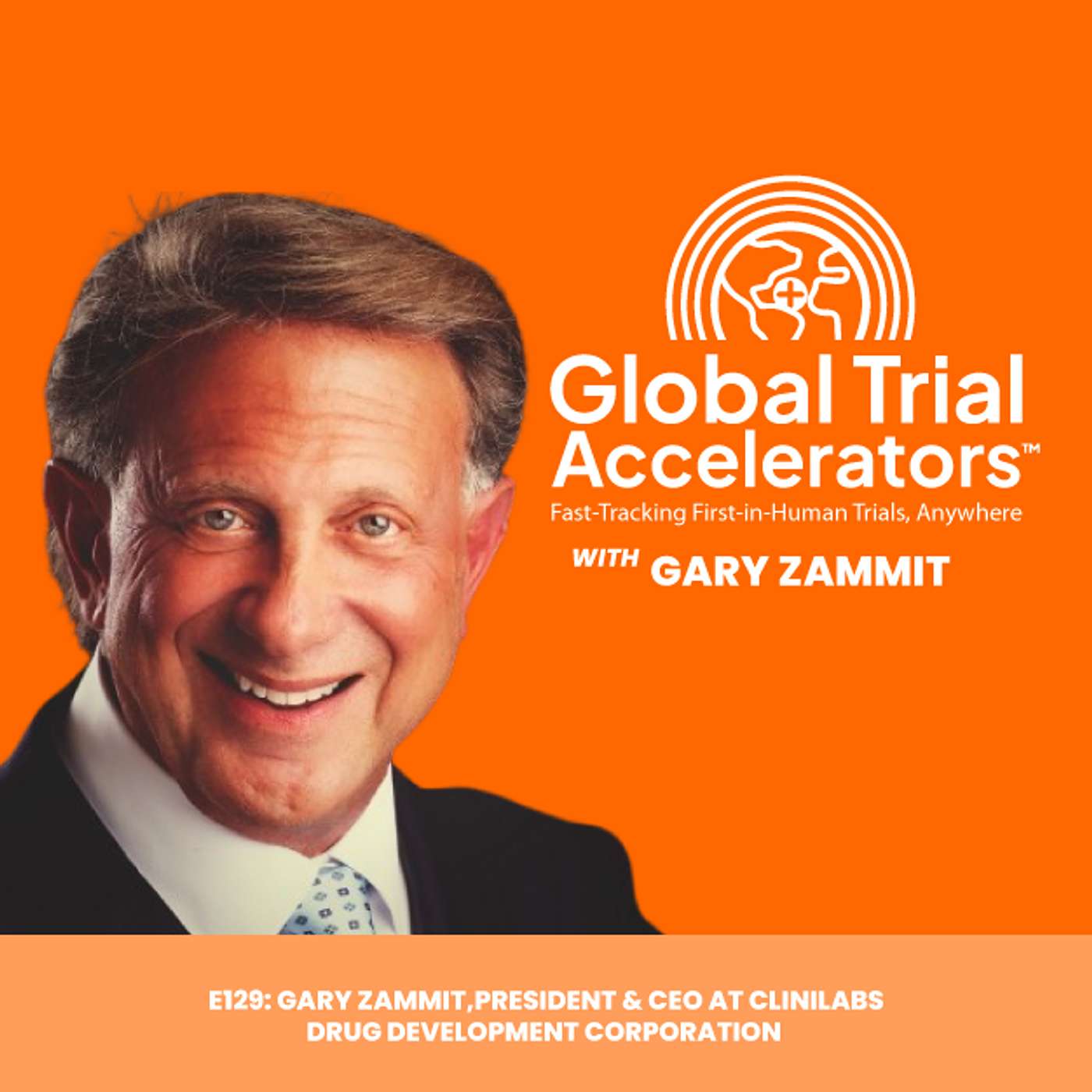
CNS drug development has a science problem and an execution problem. In this episode of Global Trial Accelerators, Gary K. Zammit, founder and CEO of Clinilabs and author of Beyond the Science, argues that many sponsors spend too much time polishing the protocol and too little time building the conditions that let a protocol work. If you are planning a CNS study, his conversation with Jesús E. Moreno is worth hearing in full at the episode page.
What makes the discussion useful is that Zammit does not treat operations as back-office detail. He frames operations as part of trial design itself. Across the conversation, four ideas stand out: specialist knowledge matters more than many teams admit, copying a prior protocol can backfire, new technology only helps when teams can use it well, and speed often comes from simplification rather than adding more.
In CNS, clinical understanding is part of trial design
Zammit started Clinilabs after seeing a recurring gap while running studies in academia: generalist CRO teams often lacked deep familiarity with the disease area they were supporting. His point was not that operations are unimportant. It was that operations without therapeutic understanding can miss what matters most.
As he explained, "If you could marry all of those things together, maybe the CRO would be a cut above." In other words, regulatory knowledge, operational discipline, and scientific fluency need to work as one system.
That matters even more in CNS, where many endpoints are less concrete than a weight on a scale or a tumor measurement. Trials often rely on clinician-administered rating scales and patient-reported symptoms. Placebo response can be high. Small mistakes in patient selection, assessment quality, or site training can change the signal you think you are seeing.
Zammit tied that back to the clinician’s perspective: "Having experience as a clinician puts the researcher really in touch with the patient". For founders and clinical leaders, the lesson is straightforward. If your internal team lacks that experience, bring it in early. Do not wait until enrollment problems or noisy endpoints force a rescue plan.
A protocol that worked before may be wrong for your study
One of the clearest examples in the episode was a sponsor that wanted to use a protocol modeled closely on a prior successful study. On the surface, that sounds sensible. In practice, Zammit said the new study involved a slightly different patient population, which should have changed the inclusion and exclusion criteria, some procedures, and some key secondary endpoints.
This is a common failure mode in early development. A protocol becomes attractive not because it is right for the asset, but because it is familiar, previously accepted, or tied to someone else’s success. The hidden assumption is that similarity is enough. Zammit’s example shows why it often is not.
A protocol carries embedded judgments about who should enter the study, what outcomes best reflect change, and how much variation the design can tolerate. Shift the patient population or the mechanism even a little, and those judgments may no longer hold. Teams then end up executing efficiently against the wrong design.
For CNS sponsors, that means protocol review should go beyond feasibility and budget. It should test whether the design actually fits the asset and the population in front of you, not the one used in a historical precedent.
Technology is only as good as the people using it
Zammit was optimistic about AI and other technology accelerators, but not naive about them. He described current uses in subject pre-screening, modeling trial outcomes, and even digital twin approaches. He also expects decentralized elements to keep spreading through development programs.
Still, his main caution was simple: tools do not fix weak execution. "The people who are involved really lay the foundation for everything." He illustrated that with an example of a promising bedside device that collected critical data faster and more accurately than prior tools, but the hospital staff had not been trained well enough to use it properly. The result was unusable data.
That lesson applies directly to today’s AI excitement. Sponsors may gain real advantages from AI-assisted screening, better endpoint modeling, or tools that help confirm adherence. Decentralized approaches may also improve access for people far from research centers. But each operational gain introduces new questions. Was a remote assessment accurate enough? Did the patient receive the medication? Did they take it as directed? Was overall protocol adherence preserved when visits moved out of clinic?
The practical takeaway is not to avoid these tools. It is to sequence adoption correctly. Training, accountability, and process definition have to come first, or the technology simply produces faster confusion.
Speed often comes from simplification
Asked how a biotech founder could move faster, Zammit did not begin with software or staffing ratios. He went back to an old lesson from training: "Doing what's necessary and sufficient." He used that phrase to argue for simplification.
In his view, acceleration often starts by trimming what a study does not truly need: extra assessments, excessive secondary and tertiary outcomes, and inclusion or exclusion criteria that were copied forward rather than justified. The goal is to get to the critical answer sooner.
This is a useful counterweight to the instinct to overbuild a trial. Many teams fear missing a data collection opportunity, so they keep adding visits, measures, and criteria. The cost is complexity at every step: slower startup, harder enrollment, more protocol deviation risk, and more burden on patients and sites.
Zammit also made a more subtle point about compounding gains. If one operational change saves a few percentage points of time and another improves data cleanliness enough to reduce subject needs, the combined effect can be meaningful. Small improvements matter when they stack.
Listen to the full episode
For founders and clinical leaders working in CNS, this episode is a useful reminder that great science does not travel alone. It needs the right people, disciplined processes, and systems that fit the study rather than distract from it. You can listen to the full conversation with Gary K. Zammit on the episode page.
About Global Trial Accelerators™
Global Trial Accelerators™ is the podcast for MedTech, Biopharma and Radiopharma founders navigating first-in-human clinical trials. It is hosted by Jesús E. Moreno and produced by bioaccess®, a CRO purpose-built for first-in-human trials across the Americas.
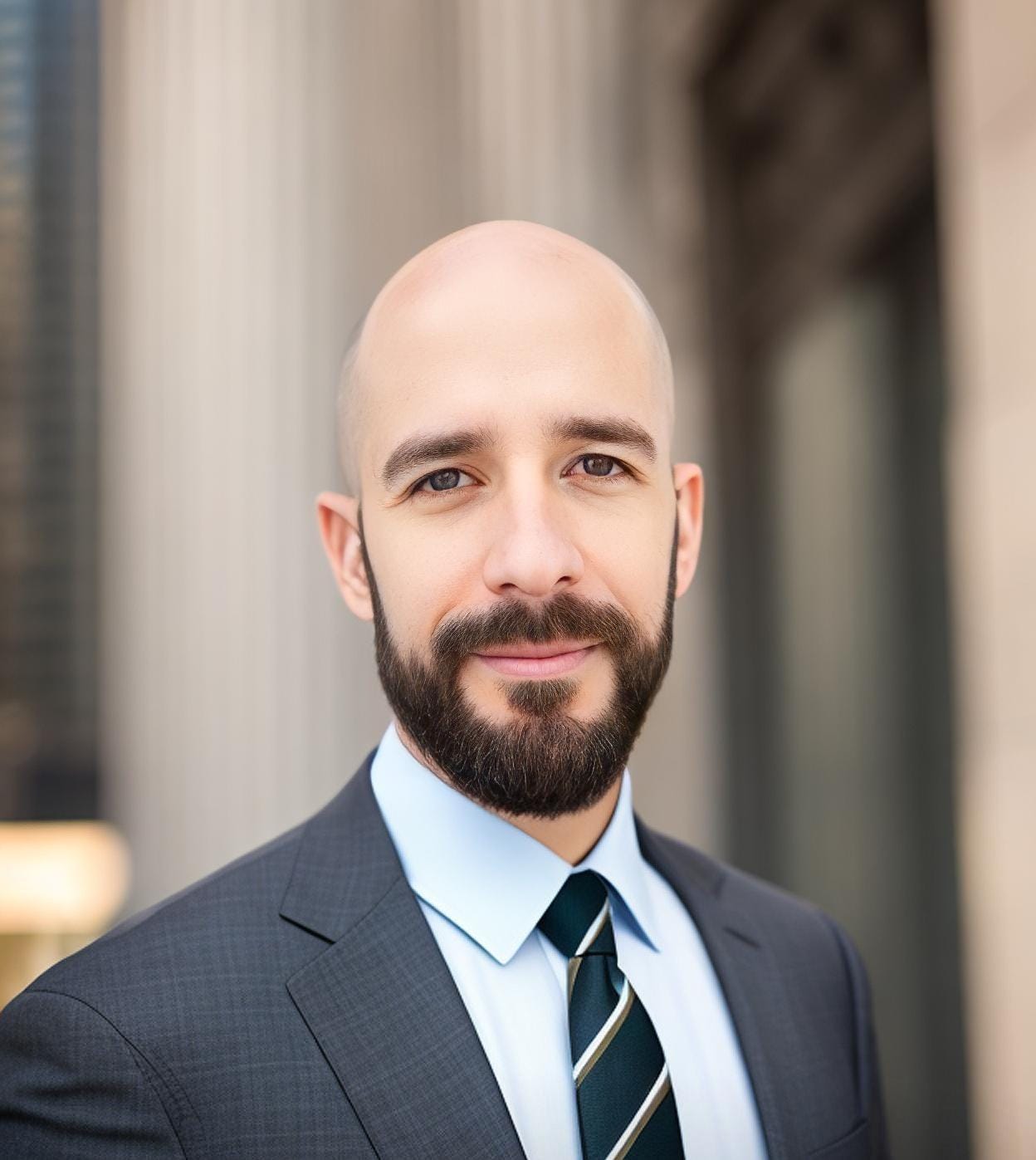
Host · Business Development Director, bioaccess®
Jesús E. Moreno is a business development director who provides efficient and reliable clinical research services across the Americas. With a passion for driving innovation in the healthcare sector, Jesús leverages his bilingual biomedical engineering background and his understanding of the unique challenges that Medtech startups face to provide valuable support and deliver accelerated clinical study results. Jesús profoundly understands the critical role that reliable and streamlined clinical research plays in the success of Medtech startups. He firmly believes that by offering cost-effective solutions without compromising quality, Medtech startups can achieve their clinical goals faster and make a meaningful impact in the healthcare industry. Jesús is passionate about supporting Medtech startups in their journey towards bringing innovative medical technologies to market. Jesús possesses the technical expertise to understand the complexities of medical devices and technologies. This knowledge enables him to identify tailored solutions that meet the specific needs of Medtech startups. Jesús has a bachelor's degree in biomedical engineering and a master's degree in electronics engineering.
What Trial Teams Miss When Science and Operations Work Separately


 RSS Feed