What Spain Teaches About Running Clinical Trials Locally
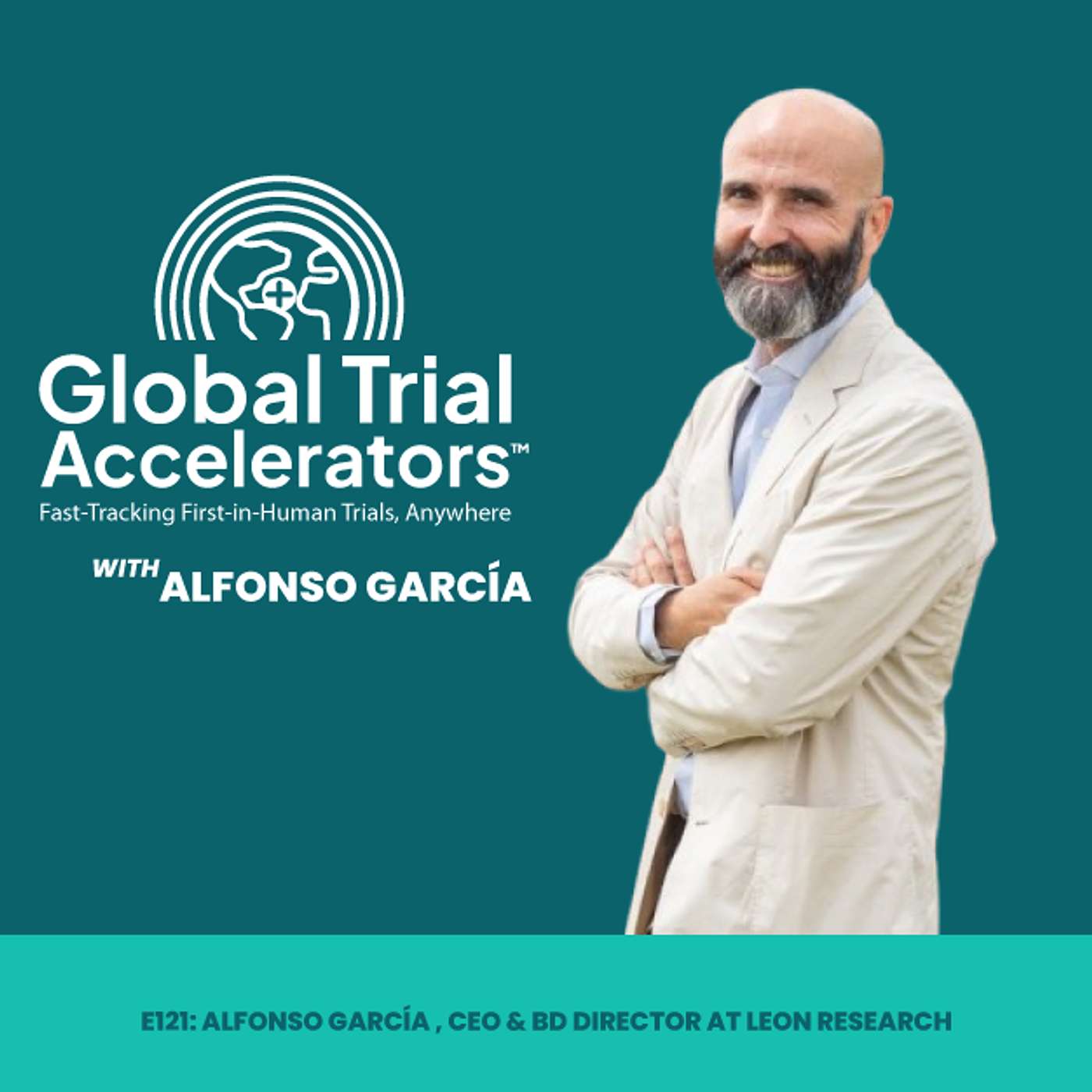
In this episode of Global Trial Accelerators, Jesús E. Moreno speaks with Alfonso García of Leon Research about a mistake that shows up again and again in international studies: assuming a protocol can travel unchanged from one market to another. García leads a CRO working across Spain, Italy, and Portugal, and his message is practical. Global studies succeed when sponsors respect local systems, local timelines, and the people who actually carry the work out.
What makes the conversation especially useful is García’s background. He came into clinical research through psychology and business, not through medicine or finance, and that perspective changes what he notices. He talks less about abstract scale and more about trust, role clarity, regulation, and the human cost of overloading teams. For founders and clinical leaders planning European programs, that is where the real operating lesson sits.
Trust matters more than procurement logic
García’s starting point is simple: "People is the most important thing." That may sound obvious, but in clinical research it has a very specific meaning. Sponsors do not choose vendors only on price, and they do not evaluate risk only through budgets. The individuals making those decisions are also protecting their reputations and their jobs.
That is why García describes sponsor behavior as more personal than many CRO pitch decks admit. His point is not that economics do not matter. They do. He also describes outsourcing and insourcing as a pendulum, with boards periodically deciding to bring work back in-house and then reversing course when execution becomes harder than expected. But beneath those swings, one factor stays constant: confidence in the partner.
As he puts it, "You can lose all your confidence in one second and it takes too long time to win it." That is a useful way to think about business development in trials. A sponsor may tolerate complexity, and even a premium, if they believe the partner will protect timelines and solve problems locally. Without that belief, scale alone is not very reassuring.
Spain’s advantage is operational, not mysterious
When the discussion turns to Spain’s strong position in clinical research, García does not credit a single magic ingredient. He points instead to a combination of operating conditions that other countries can study.
First, he points to centralized approval management for site participation. Second, he highlights broad digitization of patient data. Third, he emphasizes a stable legal framework that, in his telling, has given sponsors and sites a more predictable environment over time. None of that sounds glamorous, but all of it reduces friction.
His framing is also a reminder that country competitiveness is often decided by calendars, not slogans. García says sponsors care most about patients, time, and reliable delivery. If a country takes months to approve a study, it will struggle to win placement. If it can move faster and do so consistently, it becomes much more attractive.
That lesson travels beyond Spain. Governments often talk about becoming innovation hubs, but García’s version is more grounded. A country becomes easier to choose when approval pathways are clear, data systems are usable, and timelines are credible enough that sponsors can build real plans around them.
European harmonization helps, but local execution still decides outcomes
García is broadly positive about the EU Clinical Trials Regulation. In his view, the direction of travel makes sense because ethics and core review standards should not vary wildly from one country to another. As he says, "The regulation is fine. And it's working fine."
Still, he does not confuse harmonization with sameness. Even with centralized or shared regulatory structures, trials still have to be explained to patients in local languages. Sites still need country-specific support. Operational details still differ. And as multinational studies expand to include more countries under a single submission strategy, the studies themselves can become more complex.
That is the part many U.S. sponsors underestimate. Europe is not just one regulatory checkbox. It is a region where centralization can reduce duplication, but it cannot erase the local work needed to make a study understandable and executable at the site level. García’s broader point from the start of the episode comes back here: execution is always local, even when strategy is regional.
Technology is useful, but specialization protects quality
García is not anti-technology. He says he uses AI, and he notes that Leon Research is developing an AI tool for data analysis and biostatistics. He also places AI in a longer line of trial tools, alongside systems for data capture, document management, and trial management. In that sense, his view is disciplined rather than breathless: AI is another tool that must be integrated into real workflows.
Where he sounds more urgent is on talent and role design. Too many organizations, in his view, blur responsibilities until core functions lose focus. He argues for investigators dedicated to research, CRAs dedicated to monitoring, and separate specialists for contracts, regulatory work, and data activities. His summary is direct: "We need specialized people and we need to be specialized on what we do."
That is more than an HR preference. It is a quality argument. When the same people are asked to absorb regulatory work, contracting, monitoring, and operational firefighting, burnout rises and oversight weakens. García also makes an important distinction between delegating tasks and delegating responsibility. Leaders should hand work to the people best equipped to do it, but they still own the outcome.
For companies trying to scale studies in Europe, that may be the most actionable idea in the episode. Technology can remove steps, but it does not remove the need for clear roles, trained specialists, and leaders who know exactly where accountability sits.
Listen to the full episode
García’s perspective is worth hearing in full because it connects regulation, workforce design, and sponsor behavior into one operating picture. If you are planning studies in Southern Europe or rethinking how to structure CRO partnerships, listen to the complete conversation here: Alfonso García, CEO & BD Director at Leon Research.
About Global Trial Accelerators™
Global Trial Accelerators™ is the podcast for MedTech, Biopharma and Radiopharma founders navigating first-in-human clinical trials. It is hosted by Jesús E. Moreno and produced by bioaccess®, a CRO purpose-built for first-in-human trials across the Americas.
Host · Business Development Director, bioaccess®
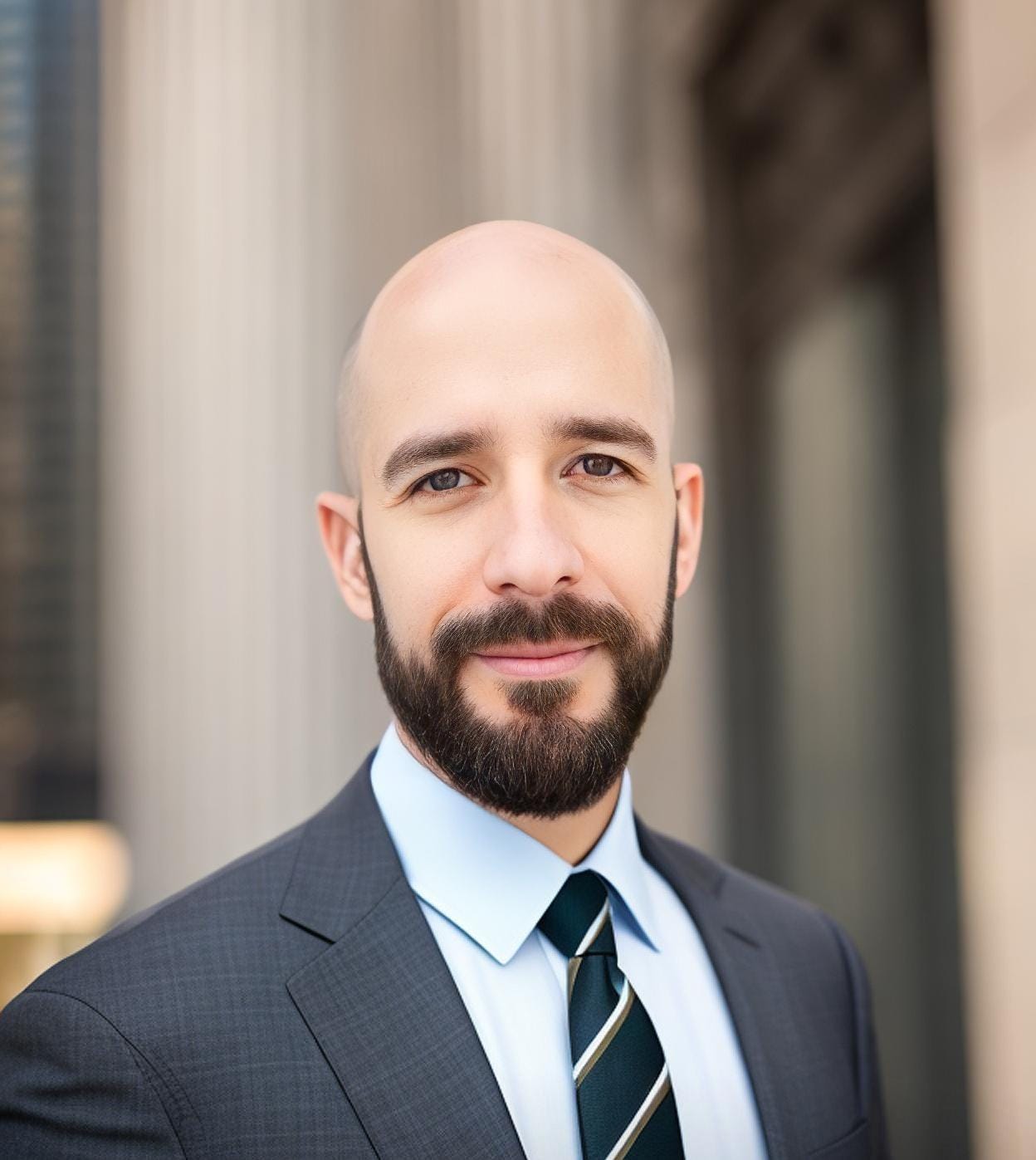
Jesús E. Moreno is a business development director who provides efficient and reliable clinical research services across the Americas. With a passion for driving innovation in the healthcare sector, Jesús leverages his bilingual biomedical engineering background and his understanding of the unique challenges that Medtech startups face to provide valuable support and deliver accelerated clinical study results. Jesús profoundly understands the critical role that reliable and streamlined clinical research plays in the success of Medtech startups. He firmly believes that by offering cost-effective solutions without compromising quality, Medtech startups can achieve their clinical goals faster and make a meaningful impact in the healthcare industry. Jesús is passionate about supporting Medtech startups in their journey towards bringing innovative medical technologies to market. Jesús possesses the technical expertise to understand the complexities of medical devices and technologies. This knowledge enables him to identify tailored solutions that meet the specific needs of Medtech startups. Jesús has a bachelor's degree in biomedical engineering and a master's degree in electronics engineering.
What Trial Teams Miss When Science and Operations Work Separately


 RSS Feed