What Armin Beck Looks for in Latin America Trials and Launches
For founders and clinical leaders, Latin America often enters the conversation as a way to move faster. In his conversation on the episode page, Armin Beck, CEO of SunTrix Medical and co-founder and chief operations officer of VasoFlow Medical, makes a more practical case. He is not talking about speed in the abstract. He is talking about where the right patients are, how to structure a study team, and how trial decisions can shape commercial success later.
What stands out in this episode is how connected Beck’s thinking is. He does not treat clinical research, regulatory planning, and commercialization as separate workstreams. He treats them as one operating model. That mindset is useful for any company deciding whether Latin America should be part of its early study plan.
Start with patient geography, not prestige
Beck’s first point is simple, and many teams still miss it. A trial only moves if the target patients are actually available. He describes working on a blood filtration device for bloodstream infection and looking beyond the United States and northern Europe because those settings did not give him enough access to the needed population. In that search, he points to Colombia and Costa Rica as strong options for that particular device and indication.
His broader lesson is worth taking seriously: “It’s very important to understand your market and where the patients are.” That sounds obvious, but it cuts against a common startup instinct. Many companies begin by targeting well-known academic centers, then discover that prestige does not guarantee enrollment. Beck argues that the better question is not where a study looks impressive, but where it can recruit the right people in a reasonable timeframe.
He also highlights patient compliance as an operational advantage he has seen in the region. In his view, patients want to participate and are willing to make the commitment a study requires. That matters because even a well-designed trial can stall when follow-up becomes inconsistent.
Build the study around investigators, then use the CRO for execution
Beck draws a clear line between two jobs that companies sometimes blur. The first is finding the right principal investigator. The second is managing paperwork, logistics, and site operations. He wants the sponsor company closely involved with the investigator relationship, while the CRO handles the mechanics.
His process for finding investigators is direct. He researches online, asks experienced executives for suggestions, reads published articles, contacts potential investigators, and then asks those investigators who else should join the study. In other words, he uses professional networks, but he does not outsource judgment.
For the CRO, his preference is also explicit. He likes a U.S.-based CRO with real commitment to Latin America and local connections in the market. The reason is practical: easier communication, easier meetings, and local support for government approvals, translations, and IRB interactions.
Just as important, he sees the investigator relationship as more than a clinical asset. It is an early commercial asset too. As he puts it, “You have to have absolute perfect relationships with your KOL (Key opinion Leader) to build the product.” In Beck’s model, clinical sites are not isolated from future market adoption. The physicians involved in the study can become key opinion leaders who influence product development, messaging, and later sales.
Speed matters, but usable data matters more
One reason Beck looks to Latin America is regulatory timing. Compared with his experience in the United States and Germany, he describes the study approval process in the region as far more efficient. His summary is blunt: “I think you can typically get approval in less than three months to start a clinical trial and this is amazing.”
That speed only matters if the resulting data can support later regulatory work. Beck addresses that concern directly. He says companies should not assume Latin American data is somehow second-tier. In his experience, data from approved sites in the region can be accepted, and he specifically says CE Mark accepts data coming out of Latin America.
He also reports few problems with shipping and importation of investigational devices. The main complication he notes is not local import logistics, but U.S. export law for high-risk devices, where IDE approval may still be needed in the United States. That distinction is useful. Teams often lump every international hurdle together, when in practice the bottleneck may sit at home rather than at the trial destination.
Commercial success depends on distributor trust
The episode becomes especially useful when Beck shifts from trials to market entry. His argument is that commercialization in Latin America works best when the company treats the distributor as a business partner, not just a channel.
He says he has generally taken a proactive approach by talking with distributors and listening to them on market access, pricing, reimbursement, and sequence of entry. That is a notable stance. Many companies try to impose a market plan from headquarters. Beck thinks that fails because local culture, buying processes, and access patterns differ from those in the United States or Europe.
His advice is consistent from start to finish: “find a right business partner, trust them and understand their market and work with them.” He extends that thinking to due diligence. Trust is not blind. He says companies should visit partners, see their locations, understand the organization, and avoid making decisions just to save airfare.
He is also realistic about tradeoffs. He acknowledges that pricing and reimbursement can be lower than in the United States or Europe, but he frames the decision around profit and efficiency, not headline revenue. If a committed distributor can move product quickly and keep selling costs low, the economics may still be attractive.
Listen to the full conversation
What Beck offers in this episode is less a checklist than a way to think: choose markets based on patient access, keep investigator relationships close, use CROs for operational leverage, and treat distributors as strategic partners. If your team is weighing how clinical work in Latin America connects to later market entry, the full conversation is worth your time.
You can listen on the episode page.
About Global Trial Accelerators™
Global Trial Accelerators™ is the podcast for MedTech, Biopharma and Radiopharma founders navigating first-in-human clinical trials. It is hosted by Jesús E. Moreno and produced by bioaccess®, a CRO purpose-built for first-in-human trials across the Americas.
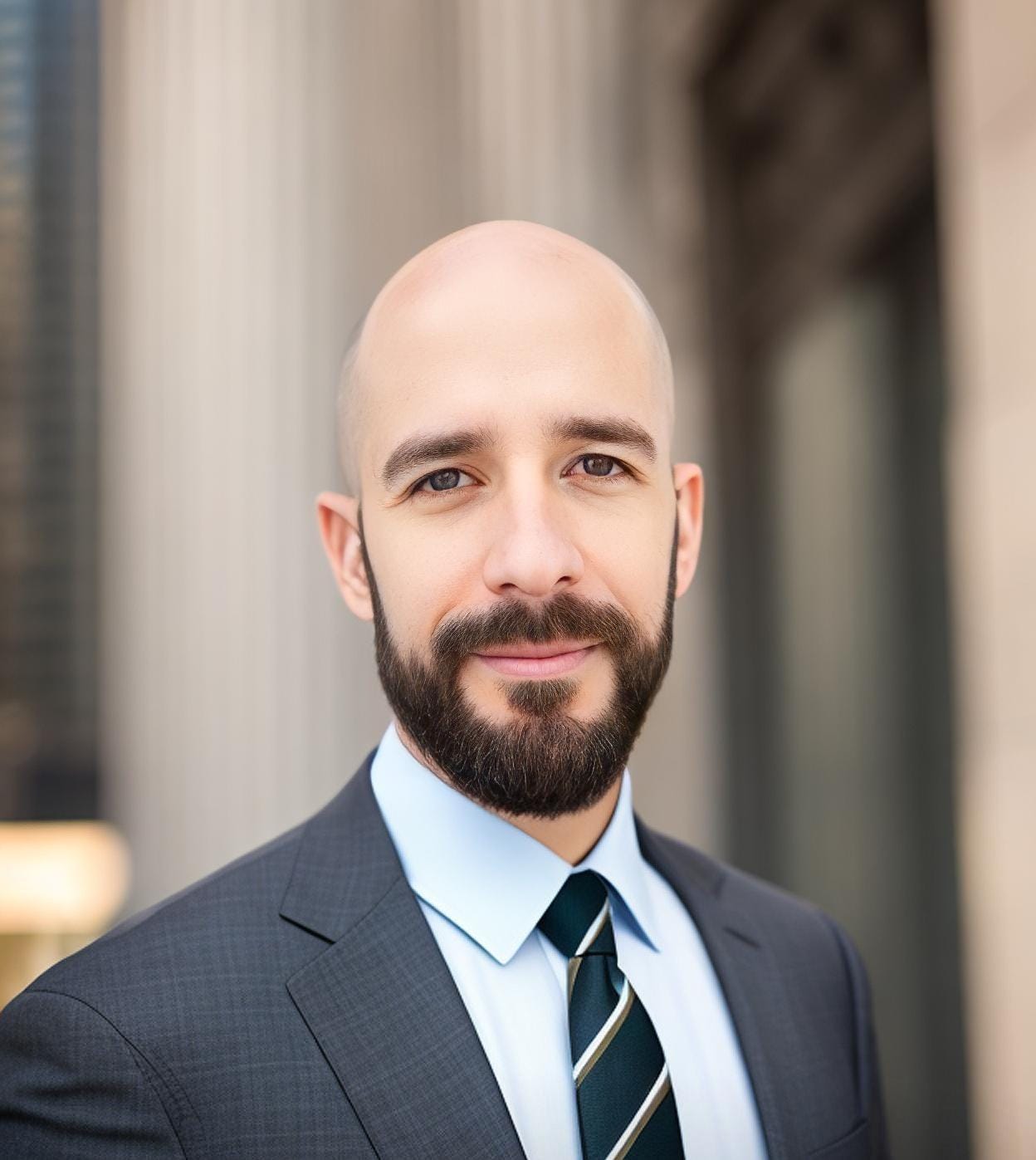
Host · Business Development Director, bioaccess®
Jesús E. Moreno is a business development director who provides efficient and reliable clinical research services across the Americas. With a passion for driving innovation in the healthcare sector, Jesús leverages his bilingual biomedical engineering background and his understanding of the unique challenges that Medtech startups face to provide valuable support and deliver accelerated clinical study results. Jesús profoundly understands the critical role that reliable and streamlined clinical research plays in the success of Medtech startups. He firmly believes that by offering cost-effective solutions without compromising quality, Medtech startups can achieve their clinical goals faster and make a meaningful impact in the healthcare industry. Jesús is passionate about supporting Medtech startups in their journey towards bringing innovative medical technologies to market. Jesús possesses the technical expertise to understand the complexities of medical devices and technologies. This knowledge enables him to identify tailored solutions that meet the specific needs of Medtech startups. Jesús has a bachelor's degree in biomedical engineering and a master's degree in electronics engineering.
What Trial Teams Miss When Science and Operations Work Separately


 RSS Feed