Francisco Peralta on Building MedTech Markets in Latin America

For device companies that see Latin America as a simple export destination, this episode is a useful reset. Julio Martinez-Clark talks with Francisco Peralta, who was a principal at Ethos Consulting at the time of the interview, about what actually determines commercial success across the region: country-level strategy, distributor structure, training, reimbursement, and follow-through.
Peralta’s argument is not that the opportunity is small. It is that the opportunity is easy to misread. A passive plan can leave a company cycling through distributors and blaming the market. An active plan can turn the same territory into a durable growth engine.
Latin America is not one market
Peralta rejects the idea that Latin America can be approached with one playbook. As he puts it, "Latin America is what you make it out to be." That sounds broad, but his explanation is practical. Adoption rates differ. Surgeon training differs. Reimbursement logic differs. Public and private systems behave differently. Even when two countries appear similar on paper, the path to product use can be very different.
That matters most in regulatory planning. Peralta’s view is blunt: "It’s hard. A lot harder than you would think it needed to be." He says the difficulty varies by country, and he gives Brazil as an example of how fast the picture can change. In his account, good manufacturing practices inspections had created long delays under ANVISA, sometimes stretching to four years. He also notes a 2019 change that allowed third-party inspections to count in that process, which he says could bring some timelines down to six to nine months.
The lesson for founders is straightforward. Do not build a regional strategy from assumptions you copied from the U.S. or Europe. Build it from the actual approval path, reimbursement environment, and clinical adoption pattern in each target country.
Distribution is not the same as market development
One of the strongest themes in the conversation is that shipping product to a distributor is not a commercialization strategy. Peralta describes a pattern he has seen repeatedly: a manufacturer appoints a distributor, sends inventory, waits for orders, gets disappointed, and then replaces the distributor without ever developing demand.
His Brazil example shows what he thinks real market development looks like. He describes working with a business that had one large master distributor and was underperforming. Instead of leaving the structure alone, he says the team broke Brazil into 13 distributors, adjusted pricing and product mix, and matched the business more closely to local reimbursement and procedural realities. According to Peralta, the operation moved from roughly $300,000 to $28 million over about six years.
The point is not that every company needs 13 distributors. The point is that network design matters. In his telling, the old setup was largely reactive, supplying products when surgeons asked for them. The redesigned setup focused on who was doing the right procedures, what products fit those procedures, how reimbursement worked, and what training was needed to create repeatable demand.
For small and mid-sized device companies, that is an important distinction. A distributor can move boxes. A market developer builds the conditions that make those boxes move again next month.
Budget constraints shape bad strategy
Peralta does not pretend that companies choose a hands-off model because they are careless. He says, "The main reason that they go about this market in that way is money." Smaller manufacturers may not have the resources to staff the region, hold inventory, fund instrument sets, or support surgeon education.
That financial reality explains a lot of weak Latin America strategies. It does not excuse them. Peralta is clearly more favorable to some version of an active, hybrid presence than to a fully remote one. When Julio Martinez-Clark describes a model with a local representative working alongside a distributor, Peralta says that is a model he subscribes to because it lets companies leverage resources without fully replacing the distributor.
Even if a company cannot open a full office, the episode suggests it still needs someone responsible for the manufacturer’s interests on the ground or very close to the market: someone who can coordinate training, watch pricing behavior, help with reimbursement packaging, and keep the distributor aligned with the original strategy.
Peralta also hints at another option: portfolio thinking. He describes trying to assemble enough products and distributor relationships so that smaller companies can compete with more scale than they would have on their own.
Demand generation starts with science, language, and service
Peralta’s commercial philosophy is unusually clear for a distribution discussion. "I think that the success comes from really focusing on the science and the technology behind it, and providing great service." In other words, demand generation is not just about access or relationships. It is about clinical credibility.
That has several consequences. First, the message has to be local. Peralta emphasizes Spanish-language information, translated materials, and support for market-specific medical education. Second, companies need to answer hard technical questions, not just promote features. He notes that some markets expose teams to tougher clinical scrutiny, which ultimately strengthens the selling process. Third, distributor selection should match the product. In his view, newer technologies may benefit from younger, hungrier teams willing to learn and push. Mature, volume-driven categories may require bigger distributors with deeper operational muscle.
This is where many companies underestimate the work. The product alone is rarely enough. Someone has to connect clinical value, surgeon confidence, training logistics, and local economics. When that happens, Peralta believes the region can adopt meaningful technology faster than outsiders expect.
Listen to the full episode
Peralta’s perspective is most useful when you hear how these pieces fit together: regulation, pricing, distribution, physician education, and the limits of multinational playbooks. You can listen to the full conversation here: Francisco Peralta, Principal, Ethos Consulting, LLC.
About Global Trial Accelerators™
Global Trial Accelerators™ is the podcast for MedTech, Biopharma and Radiopharma founders navigating first-in-human clinical trials. It is hosted by Jesús E. Moreno and produced by bioaccess®, a CRO purpose-built for first-in-human trials across the Americas.
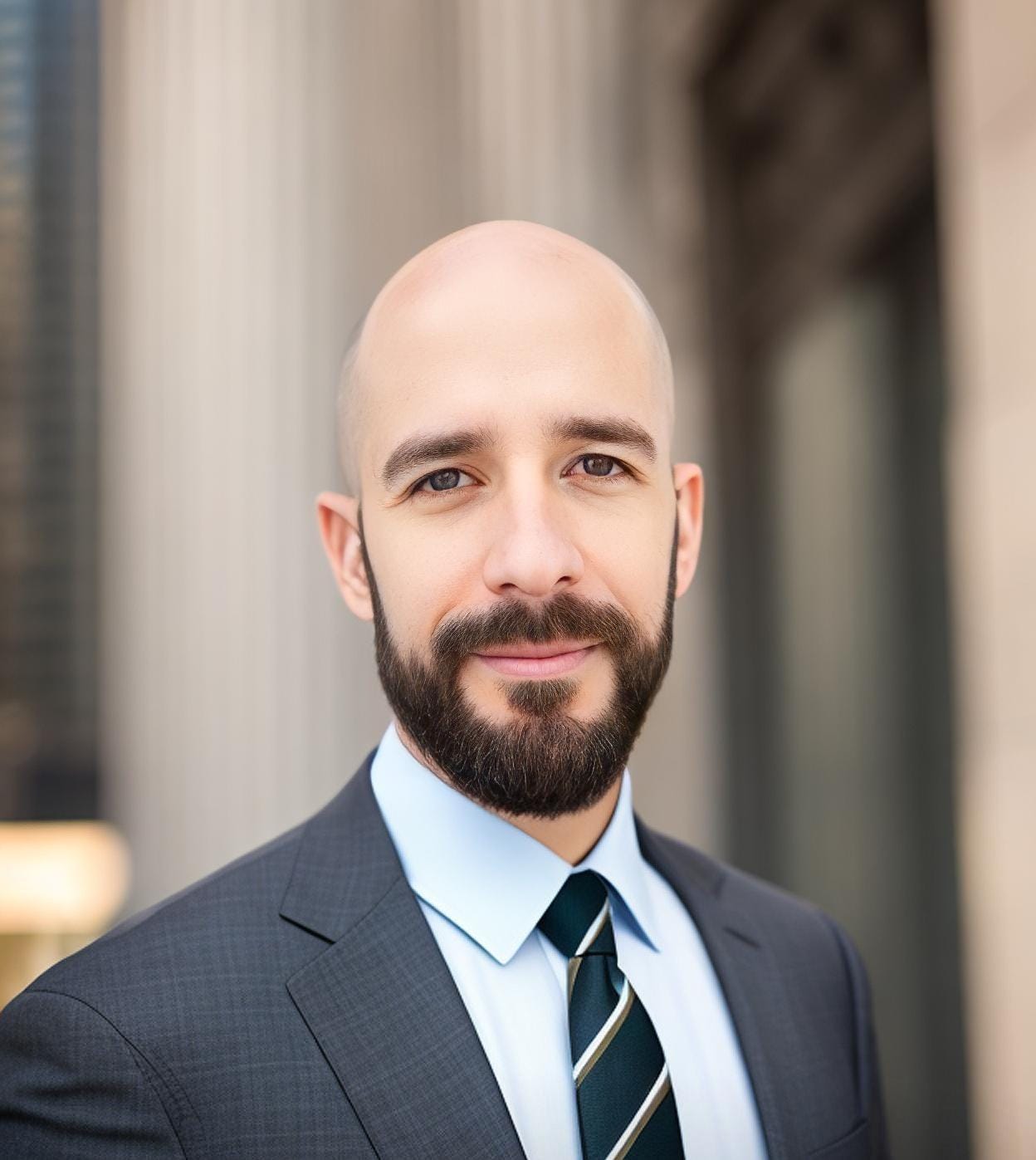
Host · Business Development Director, bioaccess®
Jesús E. Moreno is a business development director who provides efficient and reliable clinical research services across the Americas. With a passion for driving innovation in the healthcare sector, Jesús leverages his bilingual biomedical engineering background and his understanding of the unique challenges that Medtech startups face to provide valuable support and deliver accelerated clinical study results. Jesús profoundly understands the critical role that reliable and streamlined clinical research plays in the success of Medtech startups. He firmly believes that by offering cost-effective solutions without compromising quality, Medtech startups can achieve their clinical goals faster and make a meaningful impact in the healthcare industry. Jesús is passionate about supporting Medtech startups in their journey towards bringing innovative medical technologies to market. Jesús possesses the technical expertise to understand the complexities of medical devices and technologies. This knowledge enables him to identify tailored solutions that meet the specific needs of Medtech startups. Jesús has a bachelor's degree in biomedical engineering and a master's degree in electronics engineering.
What Trial Teams Miss When Science and Operations Work Separately


 RSS Feed